
Vocal Chops and Sampling
Vocals are central to UKG. Learn to find, chop, pitch, and process vocal samples legally and creatively.
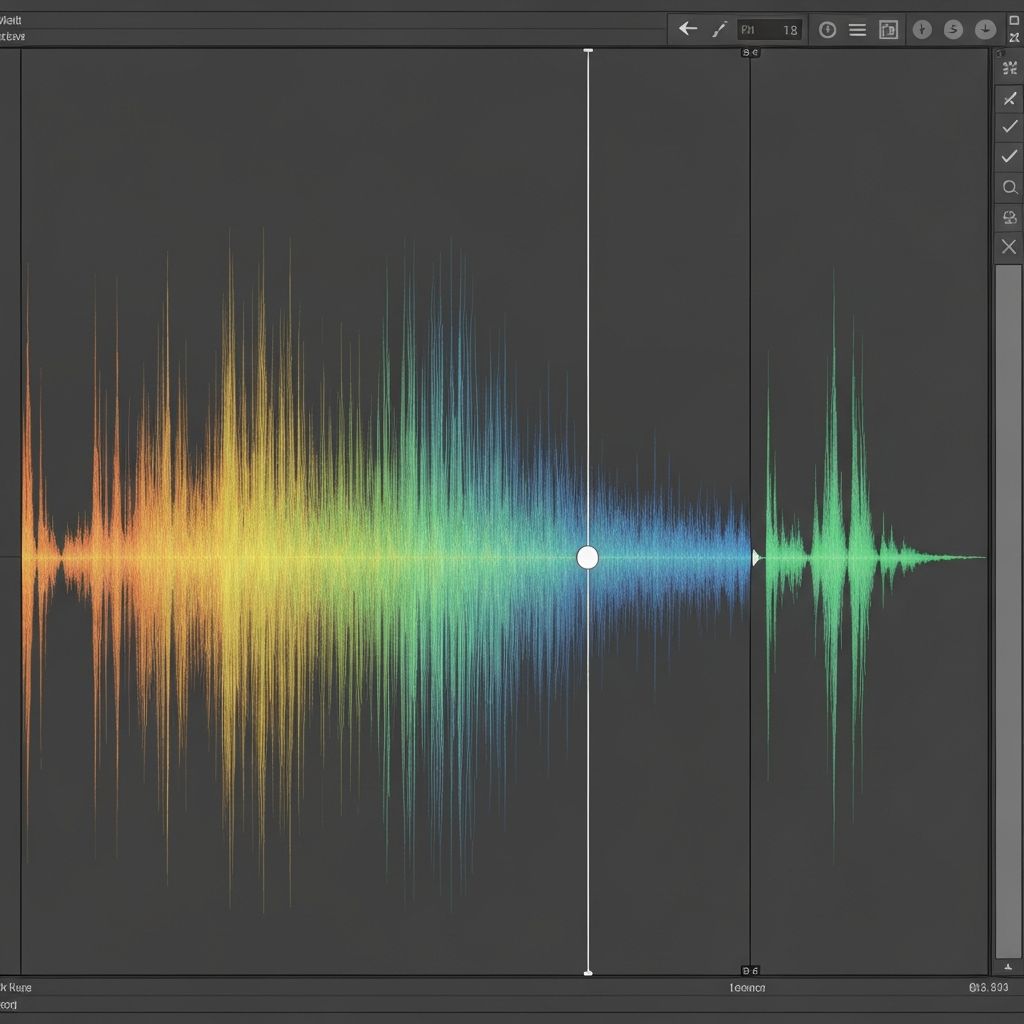
Video lesson coming soon
Introduction
Vocals are the soul of UK garage. From the pitched-up diva samples of the 90s to the chopped hooks of modern 2-step, vocals give UKG its human element. This lesson teaches you how to find, process, and flip vocals like the pros.
Finding Vocal Sources
Royalty-Free Options
- Splice: Massive library, genre-specific packs
- Loopmasters: Classic sample packs
- LANDR: Growing vocal library
- Free options: Archive.org, Creative Commons music
Recording Your Own
- Hire a vocalist on Fiverr/SoundBetter
- Record friends (get written permission)
- Use text-to-speech and heavily process
The Art of Chopping
Chopping is about finding moments within a vocal that can stand alone or be rearranged.
Step-by-Step Process
- Import your vocal into your sampler
- Set slice points at transients (syllable starts)
- Map slices to MIDI notes
- Play and rearrange to create new phrases
- Add effects to glue the chops together
What Makes a Good Chop?
- Short syllables: "Yeah", "Oh", "Uh"
- Melodic phrases: 2-4 notes that work over your chords
- Ad-libs: Breaths, laughs, sighs
- Words that work context-free: "Love", "Feel", "Time"
Pitch Shifting Techniques
Classic UKG Pitch-Up
The classic UKG vocal sound is pitched up 2-4 semitones. This creates that "chipmunk" effect while keeping the vocal intelligible.
- Pitch up 2 semitones for subtle lift
- Pitch up 4-5 semitones for classic diva sound
- Pitch up 7+ semitones for alien/ethereal effect
Formant Control
Formants are the resonant frequencies that make a voice sound human. When you pitch shift without formant control, vocals sound unnatural.
- Keep formants locked when pitch shifting up
- Shift formants down when pitching up for more natural sound
- Use formant shifting for creative effects
Essential Vocal Effects
| Effect | Purpose | Settings |
|---|---|---|
| Reverb | Space and air | Plate or hall, 20-30% wet |
| Delay | Rhythmic interest | 1/8 or 1/16 dotted, ping-pong |
| Vocoder | Robotic/synth texture | Use synth as carrier |
| Distortion | Grit and presence | Light saturation, tape style |
| Chorus | Width and shimmer | Subtle, slow rate |
Legal Considerations
Important: Sampling copyrighted material without clearance is illegal and can result in your track being taken down or legal action.
- Always use royalty-free samples for commercial releases
- Transform samples beyond recognition if using unlicensed material
- Consider sample clearance services for recognizable samples
- When in doubt, recreate the vocal yourself or hire a singer
Summary
- Source vocals from royalty-free libraries or record your own
- Chop at transients and map to MIDI for rearranging
- Pitch up 2-4 semitones for classic UKG sound
- Use formant control for natural-sounding pitch shifts
- Layer reverb, delay, and subtle effects for polish
- Always respect copyright law
Devil's Advocate
Advanced thinking for experienced producers
"Should you even use vocal samples?"
Some argue that relying on samples limits your originality and creates legal risk. Working with real vocalists gives you unique material and complete ownership.
Alternative Workflows to Try
- 1.Hire vocalists on platforms like Fiverr or SoundBetter
- 2.Learn to use vocal synthesis (like Synthesizer V)
- 3.Focus on instrumental garage—many classic tracks have no vocals
Critical Thinking Traps
Trap: "That sample is so chopped it's unrecognizable"
Reality: Copyright holders have found samples you'd never expect. When in doubt, don't use it commercially.
Trap: "Everyone uses Splice, so it's fine"
Reality: Royalty-free doesn't mean exclusive. Your hook might appear in hundreds of other tracks.
Trap: "Pitch shifting makes it original"
Reality: Courts have ruled that pitch-shifted samples still infringe. The melody is copyrighted, not just the recording.
Download Resources
Vocal processing chain presets