
UK Garage Song Structure
Learn the typical UKG arrangement: intro, verse, breakdown, drop. Understand why certain structures work on dancefloors.
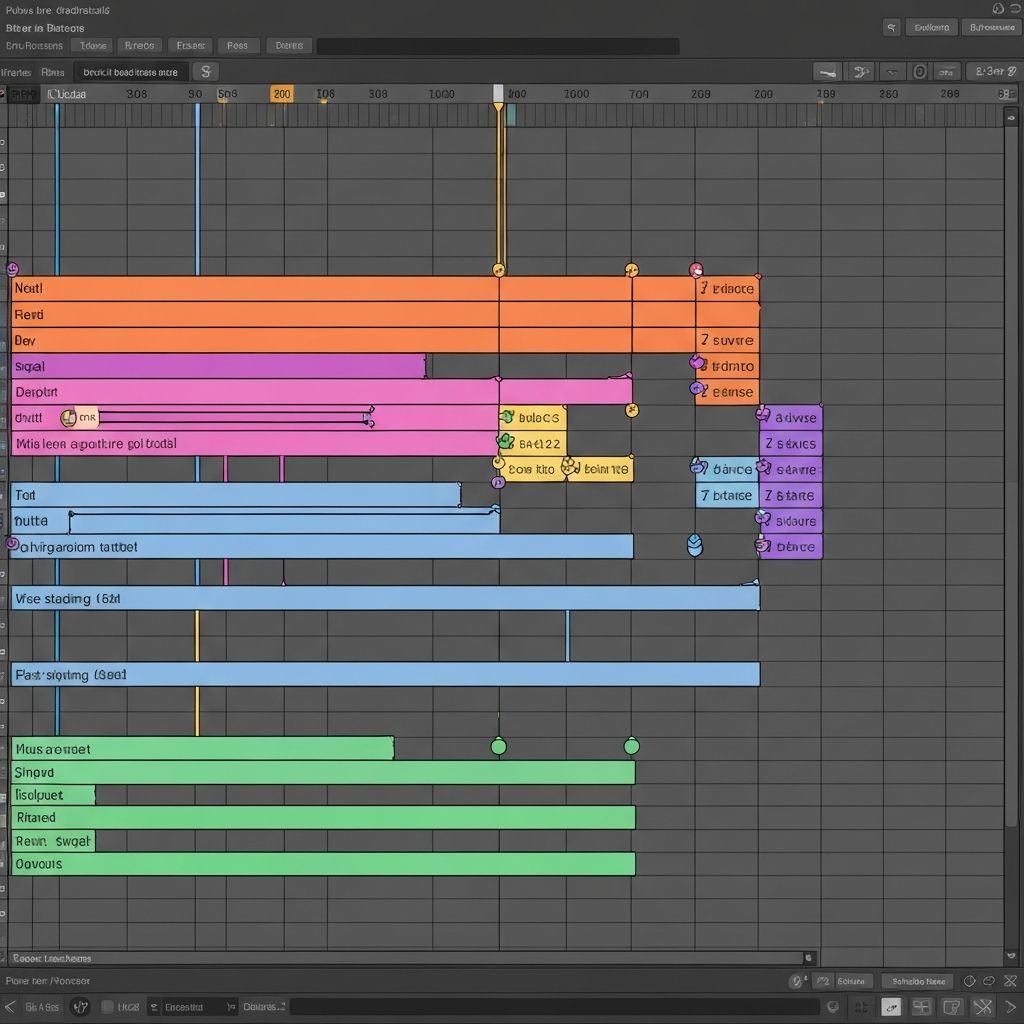
Video lesson coming soon
Introduction
Understanding song structure is what separates producers who finish tracks from those who have hundreds of 8-bar loops. This lesson covers the typical UK garage arrangement and why it works on dancefloors.
The 8-Bar Phrase
UK garage (like most dance music) is built on 8-bar phrases. Every section—intro, verse, breakdown, drop—should be a multiple of 8 bars (8, 16, 32, etc.). DJs expect this, and listeners feel it instinctively.
The Standard UKG Structure
| Section | Bars | Purpose |
|---|---|---|
| Intro | 16-32 | DJ mix-in point, establish groove |
| Verse 1 | 16-32 | Vocals/melody, build energy |
| Breakdown 1 | 8-16 | Strip back, create tension |
| Drop 1 | 16-32 | Full energy, main hook |
| Verse 2 | 16 | Variation, new vocal parts |
| Breakdown 2 | 8-16 | Bigger than first, maximum tension |
| Drop 2 | 32 | Climax of the track |
| Outro | 16-32 | DJ mix-out point, wind down |
Energy Mapping
Think of your track as an energy curve:
- Intro: 40-50% energy
- Verse: 60-70% energy
- Breakdown: 20-30% energy (tension building)
- Drop: 100% energy (release)
The contrast between breakdown and drop is what creates impact. A drop only hits hard if there's space before it.
When to Break the Rules
Rules exist to be broken—but know them first:
- Extended breakdowns: For emotional, vocal-led tracks
- No intro: For tracks meant for radio/streaming (not DJ sets)
- Multiple drops: For high-energy club tracks
- Unusual phrase lengths: For tension and surprise
Summary
Structure is about managing energy and meeting listener expectations. Master the standard structure first, then experiment. Download the arrangement template to see exactly how sections should flow.
Devil's Advocate
Advanced thinking for experienced producers
"Should you follow standard structure at all?"
Templates and formulas help finish tracks, but they can also make music predictable. The most memorable tracks often break structural conventions in unexpected ways.
Alternative Workflows to Try
- 1.Start your arrangement from the middle — build the drop first, then work backwards.
- 2.Create a track with no traditional breakdown — maintain energy throughout.
- 3.Study a favourite track's structure in detail, then deliberately do the opposite.
Critical Thinking Traps
Trap: "I need to follow 8-bar phrase rules strictly."
Reality: Odd phrase lengths (7 bars, 9 bars) create tension and surprise. Rules are made to be broken.
Trap: "Every track needs a breakdown before the drop."
Reality: Some classic tracks maintain energy without dramatic breakdowns. It's about the vibe, not the formula.
Trap: "DJ-friendly intros/outros are always necessary."
Reality: If your track isn't aimed at DJs, skip them. Streaming listeners don't need mix-in points.
Download: Arrangement template project files
Pre-marked arrangement templates